
Signs It's Time for Electrical Upgrades
When it comes to the safety and efficiency of your home or business, the electrical system plays a crucial role. Over time, electrical components can wear out, become outdated, or simply fail to meet the demands of modern appliances and technology. Knowing when to consider upgrading electrical systems can save you from costly repairs, potential hazards, and inconvenient outages. In this post, I’ll walk you through the key signs that indicate it’s time to take action and invest in electrical improvements.
Why Upgrading Electrical Systems Matters
Electrical systems are the backbone of any building, powering everything from lights to heating and cooling systems. As technology advances and energy needs grow, older wiring and panels may struggle to keep up. Upgrading electrical systems is not just about adding more power; it’s about ensuring safety, improving efficiency, and future-proofing your property.
For example, older homes often have outdated fuse boxes or panels that can’t handle the load of modern appliances. This can lead to frequent tripping breakers or even electrical fires. Upgrading your system means installing a modern panel with circuit breakers designed to handle today’s energy demands safely.

Common Signs You Need Upgrading Electrical Systems
Recognizing the signs early can prevent bigger problems down the road. Here are some clear indicators that your electrical system might need an upgrade:
1. Frequent Circuit Breaker Trips or Blown Fuses
If your circuit breakers trip often or fuses blow regularly, it’s a sign your electrical system is overloaded. This happens when too many devices draw power from the same circuit, or the wiring can’t handle the current. Instead of constantly resetting breakers, it’s better to upgrade your panel and wiring to accommodate your power needs safely.
2. Flickering or Dimming Lights
Have you noticed your lights flickering or dimming when you turn on appliances? This can indicate voltage drops caused by outdated wiring or an overloaded circuit. It’s not just annoying; it can also damage your electronics over time. Upgrading your electrical system can stabilize your power supply and protect your devices.
3. Outlets That Feel Warm or Show Discoloration
Warm or discolored outlets are a serious warning sign. They suggest poor connections or overloaded circuits, which can lead to electrical fires. If you spot this, it’s crucial to have a professional inspect your wiring and consider upgrading your system to prevent hazards.
4. Outdated Electrical Panels
Many homes built before the 1980s have panels that are no longer up to code or safe. Panels with fuses instead of breakers, or brands known for defects, should be replaced. Modern panels offer better protection and can handle higher electrical loads.
5. Insufficient Outlets and Extension Cord Overuse
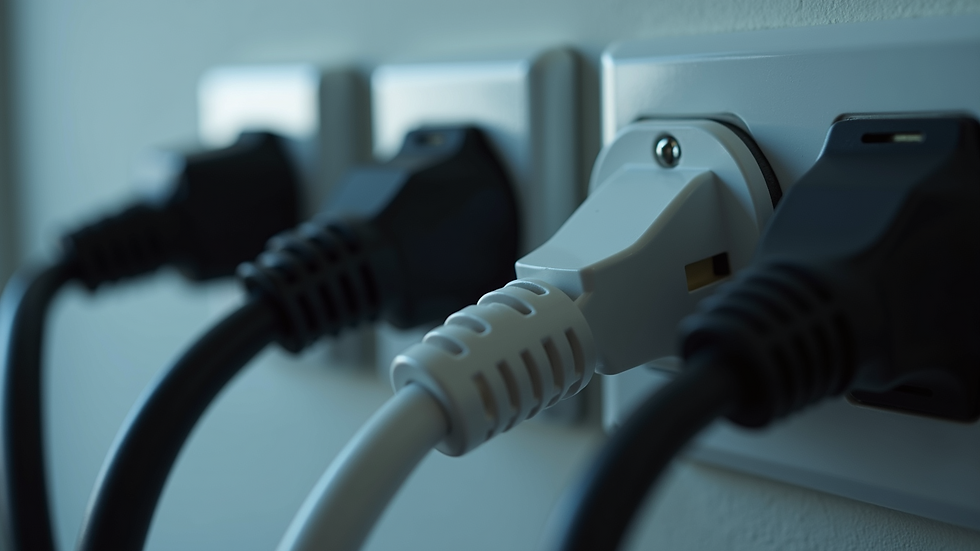
If you rely heavily on extension cords or power strips, it’s a sign your home or business doesn’t have enough outlets. This can be dangerous and inconvenient. Upgrading your electrical system allows for additional outlets in strategic locations, reducing the risk of overloads and improving convenience.
How Upgrading Electrical Systems Improves Safety and Efficiency
Upgrading your electrical system is an investment in safety and peace of mind. Here’s how it benefits you:
Prevents Electrical Fires: Modern wiring and panels reduce the risk of overheating and short circuits.
Supports Modern Appliances: New systems can handle the power needs of today’s technology without strain.
Improves Energy Efficiency: Upgraded systems can reduce energy waste and lower your utility bills.
Increases Property Value: Updated electrical systems are attractive to buyers and can boost your property’s market value.
Ensures Code Compliance: Upgrades bring your system up to current safety standards, avoiding potential legal issues.
What to Expect During an Electrical Upgrade
If you decide to move forward with upgrading electrical systems, here’s what typically happens:
Inspection and Assessment: A licensed electrician will evaluate your current system, identifying issues and recommending solutions.
Planning: Based on your needs, the electrician will design an upgrade plan, including panel replacement, rewiring, and adding outlets if necessary.
Permits and Approvals: Electrical work often requires permits to ensure it meets local codes.
Installation: The electrician will replace or upgrade your panel, wiring, and outlets. This may involve some disruption but is usually completed within a day or two.
Testing and Final Inspection: After installation, the system is tested for safety and functionality, followed by a final inspection.
When to Call a Professional
Electrical work can be dangerous and complex. If you notice any of the signs mentioned or if your system is more than 20 years old, it’s wise to consult a professional. Licensed electricians have the expertise to assess your system accurately and perform upgrades safely.
If you’re in Minot, ND, and surrounding areas, consider reaching out to trusted local experts who understand the unique needs of homes and businesses in this region. They can provide reliable, expert electrical solutions tailored to your property.
For those ready to take the next step, exploring electrical upgrades with a reputable provider ensures your system is safe, efficient, and ready for the future.
Taking Charge of Your Electrical Safety
Upgrading electrical systems might seem like a big task, but it’s one that pays off in safety, convenience, and peace of mind. By staying alert to the signs and acting promptly, you protect your property and everyone inside it.
Remember, electrical systems are not something to take lightly. If you experience frequent breaker trips, flickering lights, or warm outlets, don’t wait. Schedule an inspection and discuss your options for upgrading. It’s a smart move that keeps your home or business running smoothly and safely for years to come.


Comments